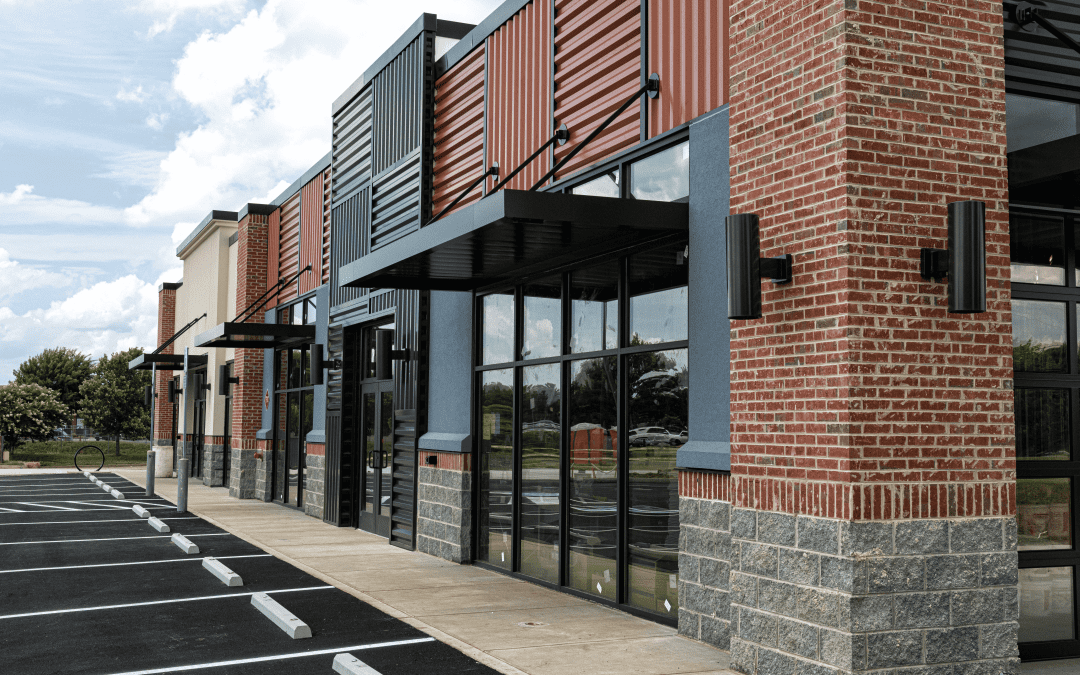
A commercial property inspection is one of the most important steps a property owner can take to protect their investment and avoid costly surprises. Whether you own office buildings, retail spaces, or industrial facilities, a thorough commercial property inspection helps identify structural issues, safety concerns, and maintenance needs before they become serious problems. By staying proactive, owners can preserve property value, reduce unexpected expenses, and ensure tenant satisfaction over the long term.
Why Inspections Matter for Long-Term Asset Value
Regular inspections are essential because commercial properties naturally experience wear and tear over time. Roofing systems age, plumbing lines degrade, and electrical components may become outdated or unsafe. Without routine evaluation, small issues can quietly grow into expensive repairs that impact both income and property value. A well-timed inspection provides a clear picture of a building’s condition, helping owners plan maintenance budgets more effectively. It also supports better decision-making when leasing, refinancing, or selling a property. Ultimately, inspections are not just about identifying problems, they are about protecting long-term profitability and ensuring the property remains competitive in the market.
What a Commercial Property Inspection Covers
A thorough commercial property inspection evaluates both the interior and exterior systems of a building from top to bottom. This includes the foundation, roofing, HVAC systems, plumbing, electrical infrastructure, and safety compliance features. Inspectors also assess common areas, structural integrity, drainage systems, parking areas, and accessibility standards. Findings are typically documented with photos and a detailed written report, giving owners a clear roadmap for repairs and upgrades. This information is especially valuable when planning capital improvements or negotiating lease terms with tenants, having documented evidence of a property’s condition removes ambiguity and builds credibility with all parties involved.
Common Issues Found During a Commercial Property Inspection
Regardless of size or purpose, many commercial buildings share similar maintenance challenges. Roof leaks, outdated HVAC systems, and electrical overloads are among the most frequently discovered problems. Moisture intrusion and poor drainage could lead to mold growth or structural damage if left unaddressed. Parking areas and exterior surfaces often show cracking or deterioration that creates liability risks for tenants and visitors. In older buildings, compliance issues related to current building codes are also common findings. Addressing these problems early reduces liability exposure and prevents more serious damage from developing over time.
How Often to Schedule an Inspection
Inspection frequency depends on the age of the building, its usage, and local environmental conditions. Most commercial properties benefit from annual inspections, while older or high-traffic buildings may require more frequent evaluations. Seasonal check-ins before extreme weather can also be valuable, particularly for roofing and drainage systems that take the brunt of harsh conditions. Routine inspections create a predictable maintenance cycle that allows owners to plan and budget for repairs rather than reacting to emergencies. This proactive approach maintains tenant trust, supports consistent operations, and extends the overall life of the property.
A commercial property inspection is ultimately about smart, long-term asset management. By staying consistent with professional evaluations, property owners can reduce risk, improve safety, and protect the investment they’ve worked hard to build.
Quantum Home Inspections offers professional commercial inspections in Southeast Georgia. Contact us to schedule an inspection today.