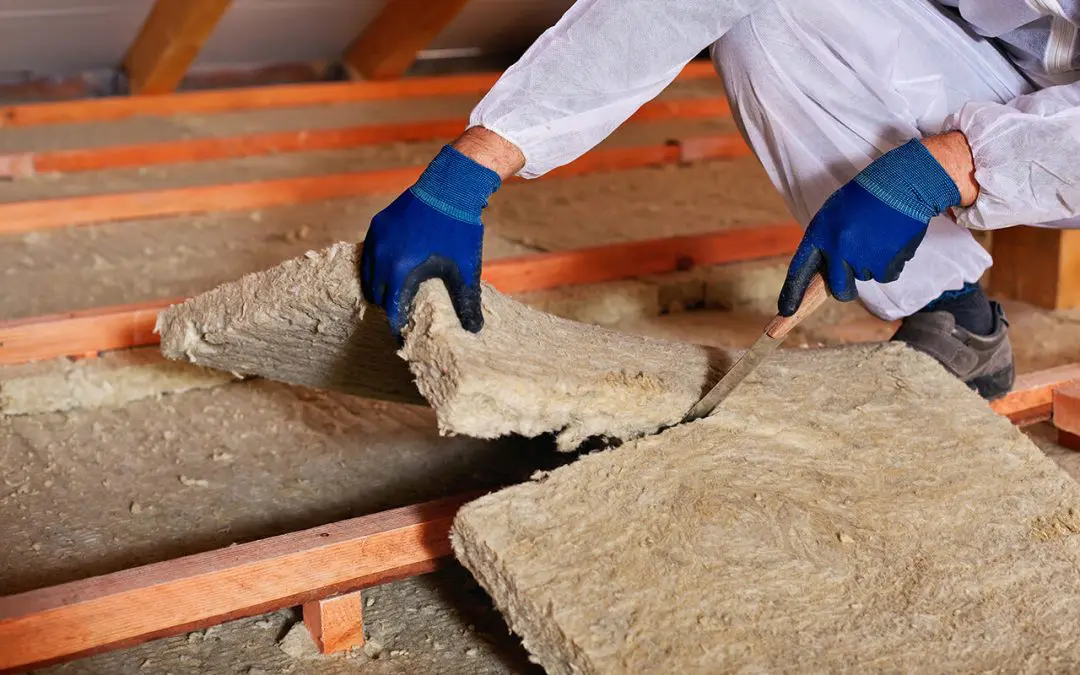
Attic insulation plays a crucial role in maintaining a comfortable and energy-efficient home. Many homeowners overlook the attic, yet it is one of the primary areas where heat is lost in winter and gained in summer. Proper attic insulation helps regulate indoor temperatures, reduces energy costs, and protects the home from moisture-related issues. Understanding how attic insulation works and why it matters helps homeowners make informed decisions that benefit both comfort and long-term performance.
Why Attic Insulation Matters
Attic insulation acts as a thermal barrier between the living space and the outdoors. Without sufficient insulation, heated or cooled air may easily escape through the roof, forcing HVAC systems to work harder to maintain a consistent temperature. This inefficiency often leads to higher utility bills and uneven temperatures throughout the home. Well-installed insulation helps stabilize indoor conditions, making living spaces more comfortable year-round while reducing unnecessary energy use.
How Attic Insulation Affects Energy Efficiency
Energy efficiency is one of the most significant benefits of proper insulation. When insulation is inadequate or deteriorated, warm air rises and escapes through the attic during colder months, while hot air enters during warmer months. This constant exchange places strain on heating and cooling systems. By improving insulation, homeowners will reduce heat transfer, lower energy consumption, and extend the lifespan of HVAC equipment. Over time, the savings on energy costs often offset the initial investment in insulation improvements.
Types of Insulation to Consider
Several insulation options are commonly used in attics, each with its own advantages. Fiberglass insulation is widely used due to its affordability and effectiveness. Blown-in insulation is ideal for filling gaps and covering irregular spaces, making it a good option for existing homes. Spray foam insulation offers excellent air-sealing properties, although it typically comes at a higher cost. The right choice depends on factors such as attic layout, climate, budget, and existing insulation conditions.
The Role of Insulation in Moisture Control
Beyond temperature regulation, attic insulation also plays a role in moisture management. Poor insulation could contribute to condensation buildup, which may lead to mold growth, wood rot, or structural damage over time. Proper insulation, combined with adequate ventilation, helps control moisture levels and supports a healthier indoor environment. Addressing insulation gaps early could prevent costly repairs and protect the overall integrity of the home.
Signs Your Home May Need Better Insulation
Uneven temperatures, drafts, ice dams on the roof, and unusually high energy bills can all indicate insulation issues. Older homes are particularly prone to having insufficient or compressed insulation that no longer performs effectively. Regular inspections help identify problem areas before they lead to larger concerns. Improving insulation is often one of the most impactful upgrades homeowners can make to improve comfort and efficiency.
Long-Term Benefits of Attic Insulation
Investing in attic insulation offers lasting benefits that extend beyond immediate comfort. A properly insulated attic supports consistent indoor temperatures, reduces energy waste, and enhances the home’s overall performance. It can also improve resale appeal by demonstrating energy-conscious upgrades to potential buyers. When viewed as part of a comprehensive home maintenance strategy, insulation proves to be a practical and valuable improvement.
Attic insulation is a crucial component of a comfortable and efficient home. By understanding its importance, recognizing warning signs, and choosing the right insulation solution, homeowners will create a more stable living environment while protecting their investment for years to come.
Quantum Home Inspections offers professional home inspections in Southeast Georgia. Contact us to schedule an inspection today.